 Reviews


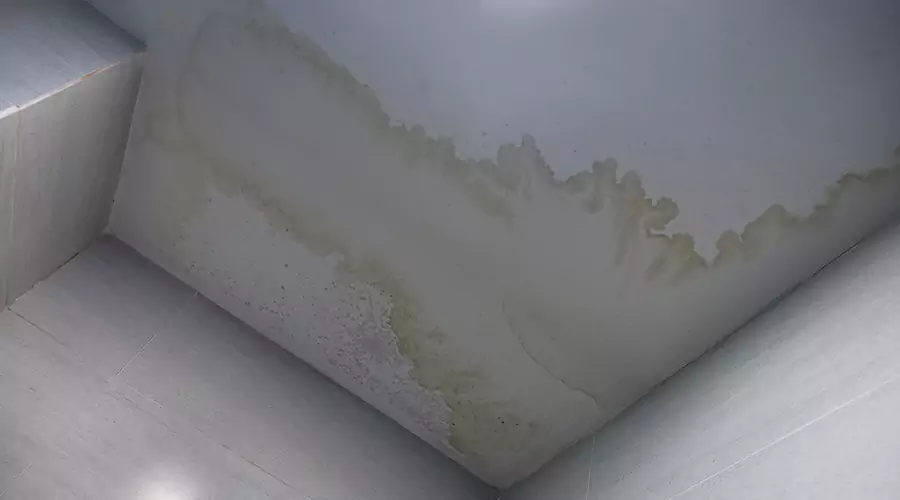
A roof leak does not always announce itself with a steady drip from the ceiling. In many homes, water enters through a weak point in the roof and quietly spreads through insulation, wood framing, drywall, and attic spaces before the problem becomes obvious. By the time homeowners see a stain or peeling paint, hidden damage may already be developing behind the scenes.
That is what makes roof leaks so frustrating. The visible sign is often only a small part of the real issue. Moisture can travel away from the original entry point and affect parts of the home that seem unrelated at first. In this guide about roof leak repair, we will explain the warning signs that your roof leak may be causing hidden damage, why these signs matter, and what homeowners should do before a small leak turns into a much larger restoration problem.
Why Hidden Leak Damage Is a Serious Problem?
Water has a way of spreading quietly through a structure. A roof leak may begin at the roof surface, but the moisture can move through decking, rafters, attic insulation, ceiling materials, and walls. Because of that, the real damage is not always visible right away.
Hidden leak damage matters because it can lead to:
- Mold and mildew growth
- Rotting wood framing or decking
- Damaged insulation
- Ceiling and wall deterioration
- Weakened structural support in affected areas
- Higher repair costs if the issue is delayed
The sooner these warning signs are recognized, the better chance you have of limiting the damage.
1. Ceiling Stains Keep Growing
A ceiling stain is one of the most common signs of a roof leak, but the size and behavior of the stain can tell you more than you may think. If the stain gets larger after each rainfall, darkens over time, or returns after earlier repairs, there is a strong chance that moisture is continuing to move behind the ceiling surface.
A growing stain often means:
- Water is still entering the home
- The leak source has not been fully repaired
- Moisture is traveling beyond the visible spot
- Drywall or ceiling materials may be holding water internally
A stain that changes over time should never be treated as only a cosmetic problem.
2. Musty Smells in Upper Rooms or the Attic
Odors can be an early clue that moisture is trapped somewhere out of sight. If you notice a musty smell in an upstairs room, hallway, or attic, a hidden roof leak may be allowing dampness to build up in insulation, wood, or drywall.
Musty odors often develop when:
- Insulation stays wet for too long
- Wood framing absorbs moisture
- Airflow is limited in the affected area
- Mold or mildew begins forming behind walls or ceilings
Even if you do not yet see visible water damage, a persistent damp smell should be taken seriously.
3. Peeling Paint or Bubbling Drywall
When water enters the ceiling or upper wall areas, it can slowly affect the finished surfaces inside the home. Paint may begin to peel, bubble, or separate from the wall. Drywall texture may swell, crack, or become uneven.
These signs often suggest that moisture is not only touching the surface but has already been soaking into the material behind it.
Look for:
- Bubbling paint near the ceiling line
- Soft wall patches in upper rooms
- Cracked or swollen drywall seams
- Peeling texture around corners or trim
These changes may appear gradually, which is why homeowners sometimes overlook them until the damage spreads.
4. Damp or Compressed Attic Insulation
The attic often reveals hidden roof leak damage before the rest of the home does. If water is entering through the roof, attic insulation may become damp, flattened, or stained long before water shows up on the living room ceiling.
Wet insulation is a problem because it:
- Loses its ability to regulate indoor temperature effectively
- Holds moisture against surrounding materials
- Creates a better environment for mold growth
- Can hide the path of a roof leak
If the attic smells damp or insulation appears compressed in one area, that may point to water entering from above.
5. Mold Spots Near Ceilings or Corners
Mold does not always mean the roof is the cause, but when mold appears near upper walls, ceiling edges, or attic surfaces, a hidden leak is one possible reason. Mold often develops in areas where moisture remains trapped and airflow is limited.
Warning signs include:
- Dark spots in ceiling corners
- Fuzzy growth on attic wood surfaces
- Staining near roofline joints
- Repeated mildew smell in the same area
Because mold can spread quickly once conditions are right, it is important to identify and stop the moisture source early.
6. Warped Wood or Soft Ceiling Areas
Water can weaken the materials it touches over time. If wood trim near the ceiling becomes warped, or if a ceiling area starts to feel soft or spongy, moisture may already be affecting the structure beneath the finished surface.
These signs may point to:
- Long term water exposure
- Saturated drywall or plaster
- Rotting wood components nearby
- A roof leak that has been active longer than expected
Soft or warped materials often mean the leak is not new, even if it only became noticeable recently.
7. A Leak Appears in One Place but the Roof Damage Is Somewhere Else
One of the hardest things about roof leaks is that the visible damage may not sit directly under the actual roof problem. Water can enter near a vent, valley, chimney, or flashing edge, then travel along beams or insulation before dripping into a room several feet away.
This is why homeowners sometimes patch the wrong area or assume the leak is minor when it is actually spreading behind the structure. If the visible water spot does not seem to match the roof area above it, hidden travel may be happening.
8. Your Energy Bills Are Rising Unexpectedly
This sign is easier to miss, but it can matter. When a roof leak soaks attic insulation, the insulation becomes less effective. That can make it harder for your home to hold cooled or heated air, especially in upper rooms.
A hidden leak may contribute to:
- Warmer upstairs rooms in summer
- Colder upper areas in winter
- HVAC systems working harder than usual
- Gradual increases in heating or cooling costs
While rising energy bills can have more than one cause, wet attic insulation from a roof leak is one possibility worth checking.
9. Leak Signs Return After a Previous Repair
If a leak seems to disappear and then comes back later, it may be a sign that only the surface symptom was addressed the first time. Water may still be entering the roof system, or hidden damage may have remained in place after the visible problem was patched.
Recurring leak symptoms can mean:
- The original leak source was missed
- More than one weak point exists in the roof
- Hidden damage continues to hold moisture
- Flashing or sealant problems were not fully corrected
A leak that returns should be evaluated carefully, especially if the same interior area is affected more than once.
10. You Notice Multiple Small Signs at the Same Time
Sometimes hidden roof leak damage does not show up as one dramatic warning sign. Instead, it appears as several smaller clues happening together. A faint smell, a slight stain, some peeling paint, and a little attic dampness may not seem urgent on their own. Together, they can point to a much larger problem.
Pay attention when you notice a combination such as:
- Ceiling staining plus attic odor
- Bubbling paint plus damp insulation
- Mold spots plus repeated leaks after rain
- Warped trim plus unexplained musty air
Multiple warning signs usually mean it is time to act quickly.
What Homeowners Should Do Next?
If you suspect a roof leak is causing hidden damage, the best next step is to have the roof and attic inspected by a qualified roofing professional. Because water often travels, guessing the source from inside the house can be difficult and misleading.
Helpful next steps include:
- Take photos of visible stains and damage
- Check the attic if it is safe to do so
- Note whether symptoms worsen after rain
- Avoid ignoring odors or soft materials
- Schedule a professional roofing inspection promptly
The goal is to identify both the entry point and the hidden areas already affected by moisture.
Final Thoughts
A roof leak can do much more damage than the visible stain on your ceiling suggests. Growing stains, musty smells, peeling paint, damp insulation, mold spots, warped materials, recurring leaks, and rising energy bills can all be signs that hidden damage is developing behind the surface. The earlier these signs are addressed, the better chance you have of limiting repair costs and protecting your home.
If something feels off in the attic or upper parts of your home, it is worth paying attention. Hidden leak damage tends to get worse quietly, and acting early is one of the best ways to stop a small roofing issue from becoming a much larger problem.